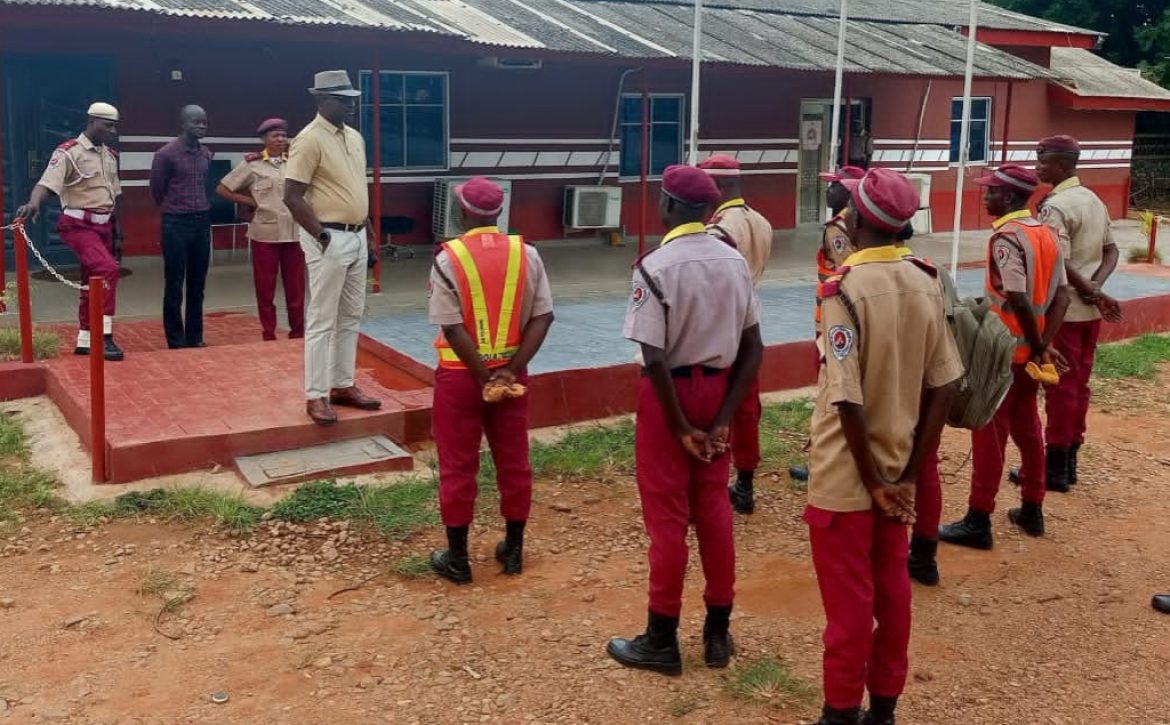
NDLEA, OYRTMA Sensitise Officers on Dangers of Drug Abuse
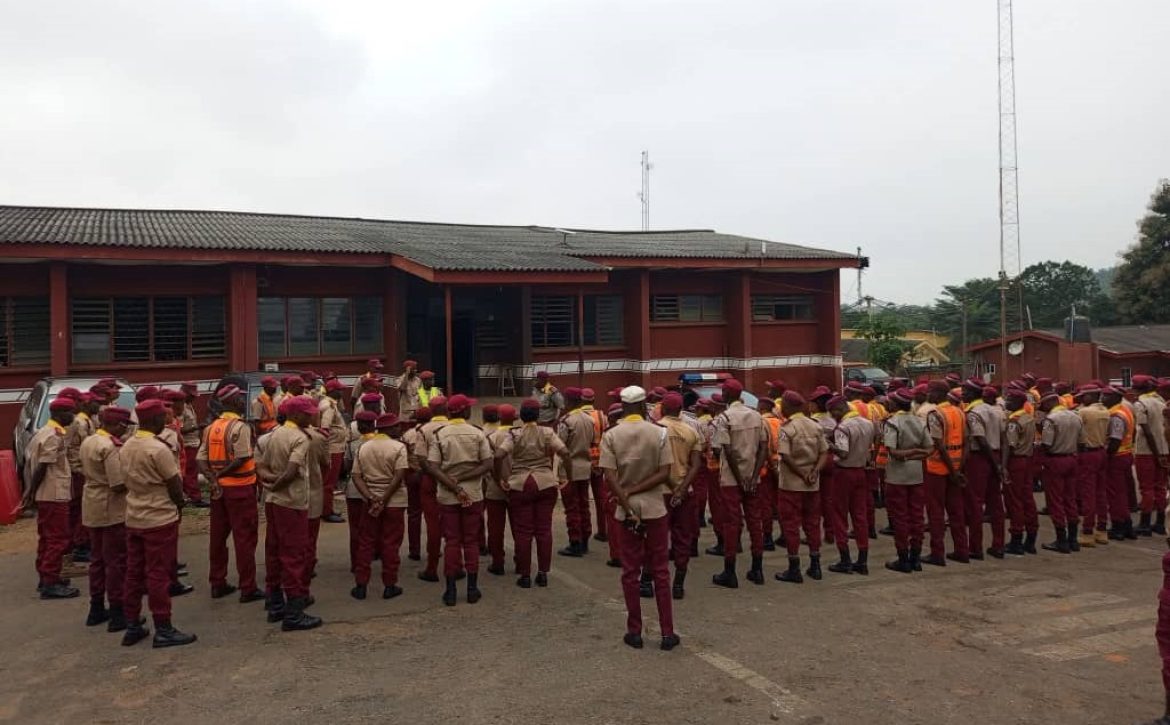
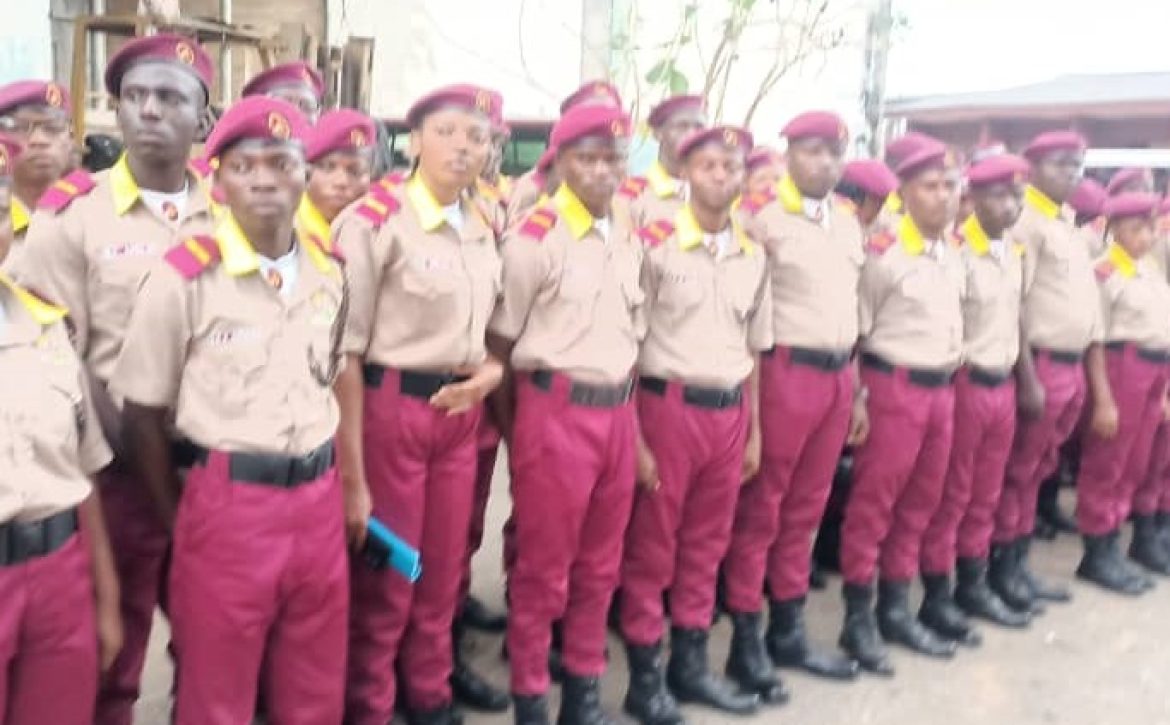
The National Drug Law Enforcement Agency (NDLEA), Oyo State Command, in collaboration with the Oyo State Road Traffic Management Authority (OYRTMA), has organised a one-day sensitization programme for officers on the dangers and consequences of drug abuse and the use of other dangerous substances.
The programme, held at the Water Conference Hall, Secretariat, Agodi, Ibadan, focused on the effects of substance abuse on individuals, road safety, the economy and the wider community.
In his opening remarks, the Chairman of OYRTMA, Maj. ADESAGBA ADEKOYA (Rtd.), emphasised the importance of the sensitization programme, recalling his previous experience working with the NDLEA during his military career to combat drug abuse among personnel.
He noted that the exercise produced positive results at the time, urging OYRTMA personnel to take the current programme seriously and apply the knowledge gained to their duties.
The Chairman stressed that road traffic officers have a critical responsibility to protect lives and property and must therefore remain physically and mentally fit to effectively discharge their duties.
Speaking on behalf of the NDLEA team, Superintendent of Narcotics Achichi, who led the delegation, explained that the purpose of the visit was not only to sensitise OYRTMA personnel but also to identify with the Authority and understand areas where both agencies could collaborate to address drug-related challenges.
He explained that the NDLEA is also involved in helping people who are struggling with substance abuse. He said the agency conducts tests where necessary to understand the situation and determine the appropriate intervention.
He added that the NDLEA is available to help individuals overcome drug dependence and, where rehabilitation is required, ensure that the necessary rehabilitation support is provided.
He encouraged OYRTMA personnel to see the NDLEA as a partner that is ready to provide guidance, support and intervention in matters relating to drug abuse.
The lecture was delivered by Assistant Superintendent of Narcotics Peter Akinbode, accompanied by ASN Ade Peter Balogun, representing the Narcotics Command, Oyo State, under the leadership of Commander Oluwarotimi Adetula, CN, Commander of Narcotics, Oyo State Command.
Speaking on the dangers of drug abuse, ASN Akinbode explained that a drug is any chemical substance introduced into the body that can alter the way a person feels, thinks or behaves.
He explained that drug abuse occurs when drugs are used in a harmful or inappropriate manner, including using drugs when they are not necessary, taking excessive doses, or using drugs in ways that are not recommended.
He also warned against the abuse of prohibited and dangerous substances, including tramadol and other illicit substances, stressing that the use of such substances can have serious consequences for individuals and society.
The lecturer identified three major categories of drugs based on their effects on the brain: stimulants, depressants and hallucinogens.
According to him, stimulants increase the activity of the brain and nervous system, while depressants slow down brain functions, which may result in delayed responses and reduced alertness. Hallucinogens, on the other hand, can affect a person’s senses and perception and may lead to confusion, aggression and hallucinations.
ASN Akinbode further identified peer influence, negative experiences, stress, fatigue and parental influence among the factors that could encourage people to engage in substance abuse.
He emphasised that the effects of drug abuse extend beyond the individual, affecting families, the economy and the wider community.
He noted that a driver operating a vehicle under the influence of drugs may experience impaired concentration, poor judgment or delayed reactions, thereby increasing the risk of road traffic crashes and putting innocent road users in danger.
He added that drug abuse among road traffic officers could also have serious consequences, as impaired judgment and reduced alertness could affect an officer’s ability to effectively perform duties aimed at protecting lives and property.
The lecturer stressed that when substances are abused, they can affect the brain, which plays a critical role in the proper functioning of the human body.
He therefore charged road traffic officers to maintain a drug-free workforce and ensure that drug abuse does not compromise their effectiveness on duty.
According to him, as road traffic officers, their responsibility is to save lives, protect property and contribute to safer roads, adding that the fight against drug abuse must begin from within before extending to the wider society.
In his vote of thanks, the General Manager of OYRTMA, Commander Ayoade Adeoye Kola, appreciated the NDLEA representatives for taking the time to educate and sensitise OYRTMA personnel on the dangers of drug abuse.
He charged the officers to take the message seriously and do the needful in ensuring a drug-free workforce and safer roads.
The General Manager further encouraged officers not to remain silent when they notice someone abusing drugs. According to him, “If you see, you talk,” stressing that one of the ways an individual can help is by speaking up and reporting the matter to someone who can provide the appropriate assistance.
He urged personnel to understand that reporting a drug-related concern is not necessarily about condemning the individual, but about helping the person access the right support and intervention.
The programme concluded with a renewed call for greater collaboration between NDLEA and OYRTMA, increased awareness, personal responsibility and continuous education on the dangers of drug abuse, particularly among personnel whose duties directly involve the protection of lives, property and the promotion of safety on the roads.